Gut Microbiome Talk Feels Like Marketing — What’s Actually Known?
If you've ever wandered down the grocery store supplement aisle or peeked into your own medicine cabinet, chances are you've noticed an explosion of products touting benefits for the gut microbiome. The buzz is loud, the claims are flashy, and the bottles often look like they're packed with magic dust ready to transform your health overnight.
But after eight years of diving into parent-friendly health and fitness content and testing supplements first-hand, I can tell you this: gut microbiome research is fascinating but does not justify the marketing hype. If you're looking for quick transformations or mental clarity promised in a week, prepare to be disappointed. Let's unpack what the science actually says versus what the supplements industry tells us, and how you can approach fiber, magnesium, creatine, and mushrooms without falling for hype.
Understanding Gut Microbiome Research: Marketing vs. Science
The human gut microbiome — the trillions of bacteria and other organisms living in our digestive tract — is a legitimate frontier in health research. Studies link it to immunity, digestion, and even mood. However, it's a complex and evolving field. What’s irksome is how many supplement brands run with minimal evidence to promote products that claim to “balance” or “boost” your microbiome like a magic elixir.
Many products intentionally blur the line between ingredients that are well-understood and those still experimental. For example, prebiotic fibers like inulin or psyllium genuinely affect gut bacteria, but the average supplement bottle rarely contains a dose that’s meaningful or palatable (hello, gritty psyllium texture!). When it comes to probiotics or mushroom extracts, quality and labeling practices vary wildly, often hiding behind proprietary blends or failing to disclose the exact strains/potencies.
Companies like Joy Organics, known primarily for higher-quality hemp-derived products, show the value of transparency and quality certifications — but even they are clear that supplements are just supplemental. Third-party seals like NSF and USP can help guide consumers toward products that actually do what they say, but those badges aren’t found on every shelf staple.
Key Takeaway:
- Supplements are gap-fillers — not transformations. They complement — but don’t replace — a balanced diet and lifestyle.
- Be skeptical of bold claims that lack transparent ingredient dosages or scientific backing.
- Look for NSF or USP certifications to reduce the risk of contaminants or underdosing.
Fiber and the Microbiome: The Foundation You Need
Fiber is the cornerstone of gut health and supports microbiome diversity. Unlike trendy “gut health” pills you might find across the aisle, fiber’s effects have robust scientific support. But it’s a long game, not a quick fix.
Types of Fiber
Fiber Type Effect on Microbiome Common Sources Soluble Fiber Feeds beneficial bacteria; can produce short-chain fatty acids Oats, legumes, apples, psyllium husk Insoluble Fiber Promotes bowel regularity; less fermentable Whole grains, nuts, vegetablesIn supplement form, psyllium husk is popular but, frankly, not exactly delicious. It’s gritty and can be tough to swallow without mixing thoroughly. Nonetheless, it’s effective at bulking stool and mildly feeding gut bacteria.
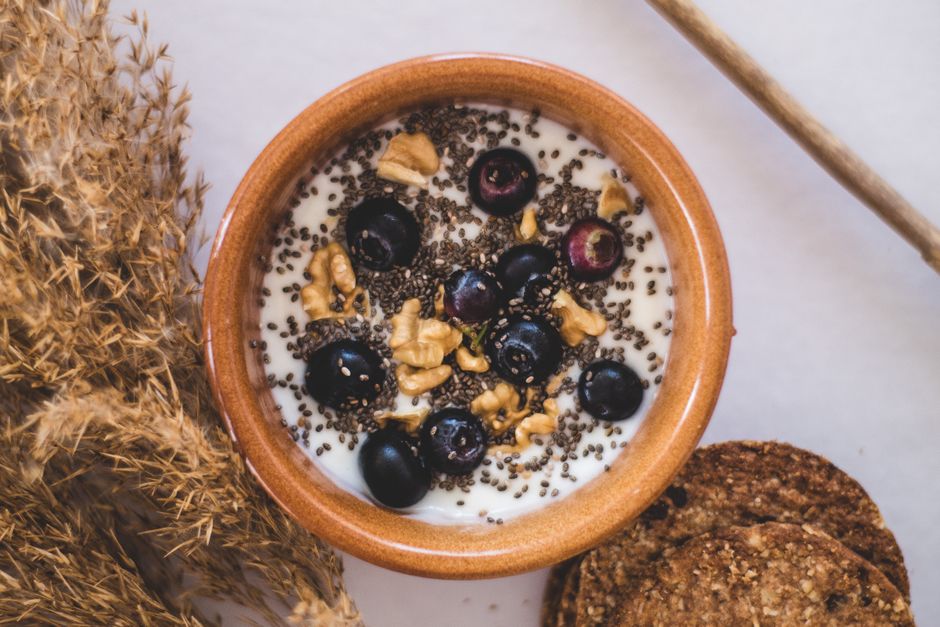
Some fiber supplements force-feed fancy terms like “prebiotic blend,” but often the dosages are minuscule or https://highstylife.com/cbd-and-prescription-meds-should-i-worry-about-interactions/ buried within proprietary blends. Having spent way too long hunting for Certificates of Analysis (COA), I’ve learned to appreciate when companies lay it all out transparently — that’s rare but invaluable.
Sleep Support and Magnesium: Form Matters
Magnesium is one mineral that genuinely grabs attention for improving sleep quality and supporting muscle relaxation. But not all magnesium forms are created equal, especially when it comes to gut tolerance and absorption.
- Magnesium citrate is well-absorbed but often causes loose stools — not exactly relaxing if you have to dash to the bathroom.
- Magnesium glycinate is gentler on the stomach and better for sleep support.
- Magnesium oxide is cheap but poorly absorbed and commonly added to multivitamins despite limited efficacy.
When shopping for magnesium supplement options (and yes, you can find these in nearly every grocery store supplement aisle), look for clear dosage info and avoid proprietary blends that hide the actual amount of elemental magnesium. Joy Organics and other reputable brands often provide transparent labeling you can trust.
Creatine for Aging, Strength, and Managing Expectations
Creatine is not just for gym rats; research shows promising effects for aging adults in maintaining muscle strength and cognitive function. However, don’t fall for hype about "instant strength gains." Creatine is a supplement that works over time and must be paired with resistance training and adequate protein intake.
Also, keep in mind that creatine often increases water weight in muscles, which may look like bloating if you’re not aware — so temper expectations. The last thing you want is to buy a product expecting muscle-shaping magic only to feel heavier without obvious strength improvements.
Mushroom Supplements: Quality and Labeling Matter More Than Buzzwords
Mushroom supplements for gut and immune support are fashionable right now, but my patience runs thin with vague labeling. You’re likely to see terms like “fruiting body extract” or “beta-glucans,” but what's really in the bottle matters.
- Fruiting body vs. mycelium: Supplements derived from fruiting bodies contain more bioactive compounds. Mycelium grown on grain fillers might be cheaper but delivers fewer benefits.
- Beta-glucans: These polysaccharides are key immune-modulating compounds in mushrooms, but doses vary widely.
Some brands skip COA documentation or hide potency figures in proprietary blends, which is a red flag for me. If you’re spending money on mushroom supplements, insist on transparent labeling and third-party testing, like NSF or USP certification.
Wrapping Up: Practical Tips for Navigating the Supplement Maze
- Focus on food first: High-fiber fruits, vegetables, and whole grains are your best investment for microbiome health.
- Use supplements as fillers: If your diet is lacking, fiber, magnesium glycinate, creatine, or mushroom extracts can help if chosen wisely.
- Check for third-party testing: Look for NSF or USP seals to avoid underdosed or contaminated products. ask a pharmacist about supplements
- Avoid proprietary blends: If the label doesn’t state how much of each ingredient is in your bottle, reconsider.
- Manage your expectations: Supplements support your journey but don’t magically transform your gut or strength overnight.
The gut microbiome is a promising area but often feels overshadowed by aggressive marketing more than solid science. Stick to basics, prioritize transparency, and keep your supplement doses honest. Your gut (and your wallet) will thank you.