Are CBD Products Sold Outside Dispensaries Less Regulated?
With the surge in popularity of CBD, or cannabidiol, many consumers encounter products in ordinary retail settings—health stores, pharmacies, online shops—that aren't sold in specialized dispensaries. But does purchasing CBD outside a dispensary mean you're getting a less regulated product? To answer that, we first need to dig into CBD basics, legal nuances, and why quality variation makes tools like certificate of analysis (COA) and batch-specific laboratory reports essential for safe use.
Understanding CBD vs. THC and Intoxication
CBD is one of many cannabinoids found in the cannabis plant. Unlike its cousin THC (tetrahydrocannabinol), CBD does not cause intoxication or the “high” typically associated with marijuana use. This crucial difference is why CBD has swept into mainstream health and wellness markets.
- CBD (Cannabidiol): Non-intoxicating, often promoted for potential relief from anxiety, pain, and inflammation.
- THC (Tetrahydrocannabinol): Psychoactive, responsible for the high in marijuana.
However, it's vital to remember that product labels sometimes claim “THC-free,” but unless backed by a current get more info batch-specific COA, these claims aren’t fully trustworthy. Trace amounts of THC may still be present, which matters for drug testing or sensitivity concerns.
FDA Approval: A Limited Scope for CBD
Currently, the FDA has approved only one CBD-containing drug: Epidiolex, prescribed specifically for certain seizure disorders. This means:
- CBD's medicinal uses outside that scope are not officially recognized by the FDA.
- Over-the-counter (OTC) CBD products are not FDA-approved dietary supplements or medications.
- Manufacturers can’t legally claim their products cure, treat, or prevent diseases.
This regulatory gap implies that the safety, efficacy, and quality of OTC CBD sold in ordinary retail settings varies widely. Consumers must navigate this landscape cautiously.
Legal Landscape: The 2018 Farm Bill and the < 0.3% THC Rule
The 2018 Farm Bill was a game changer. It legalized hemp cultivation federally and defined hemp as cannabis plants containing less than 0.3% THC. This is why you see:
- Many retail CBD products labeled as derived from “hemp.”
- Products claiming “THC below 0.3%” to comply with federal law.
- Confusion around whether products with trace THC can still cause intoxication or legal issues (usually not, but exceptions exist).
However, this law did not set quality or safety standards for CBD products sold outside dispensaries. States may have additional rules, but overall, ordinary retail CBD is less regulated than dispensary products.
Quality Variation in Ordinary Retail CBD: Why COAs Matter
Since CBD products sold outside licensed dispensaries face less regulatory oversight, product quality varies widely — that means:
- CBD content may not match label claims.
- Contaminants like pesticides, heavy metals, or residual solvents can be present.
- THC levels may exceed legal limits or be undetectable despite label statements.
Enter Certificate of Analysis (COA). This document is a laboratory report detailing cannabinoid profiles and testing results. However, a generic COA linked on a product page or bottle is not enough. The gold standard is a batch-specific COA that matches the exact product lot you are buying.
Why does this matter?
- Accuracy: Batch-specific COAs confirm the precise amount of CBD and other cannabinoids in your specific product.
- Safety: They reveal whether harmful substances are within safe limits or absent.
- Trustworthiness: Reliable brands provide batch COAs transparently, enabling buyers to verify claims.
Spotlight on Joy Organics: A Brand That Prioritizes Transparency
Not all CBD companies operate with the same standards. Joy Organics is a standout example of a brand that emphasizes:
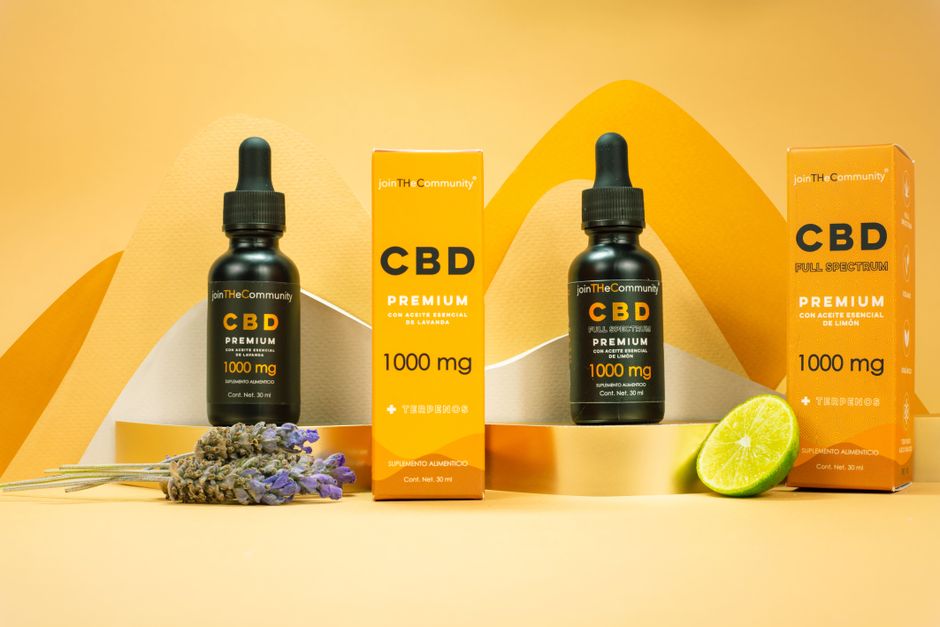
- Third-party, batch-specific laboratory testing on all products.
- Publishing clear COAs to the public before purchase.
- Producing broad-spectrum CBD products with nondetectable THC levels verified by their lab reports.
This commitment helps customers trust that what’s on the label reflects what’s in the bottle—something missing in many ordinary retail CBD products.
Summary Table: Comparing CBD Regulation Inside vs. Outside Dispensaries
Aspect Dispensary CBD Products Ordinary Retail CBD Products Regulation Level Subject to state cannabis laws and testing standards Less regulatory oversight; no federal supplement approval THC Content Clearly labeled; typically less than 0.3% in hemp products, but marijuana products vary Labels may claim “THC-free,” but verification varies; batch-specific COAs required to confirm Quality Assurance Often mandatory third-party testing and batch COAs Variable; some brands — like Joy Organics — provide testing but many do not FDA Approval None, except for prescription-only pharmaceutical Epidiolex Same; no federal approval for OTC CBD products Consumer Risk Lower due to state oversight Higher risk due to inconsistent quality, potential contaminants, inaccurate labelsWhat Should Consumers Do?
If you’re buying CBD outside a dispensary, keep these tips in mind:
- Check for Batch-Specific COAs: Skip products that only show a generic lab report. Reliable companies publish batch COAs accessible via QR code or product lot number on their sites—Joy Organics is a good example.
- Be Skeptical of “THC-Free” Claims: Look for verification in COAs because “THC-free” is often a marketing term lacking definition.
- Understand FDA Status: Don’t trust any product promising miracle cures or therapeutic benefits not backed by the FDA.
- Consult Healthcare Providers: Especially if you’re on medications, as CBD can interact with certain drugs.
- Avoid Products with Vague Labeling: Ingredients, concentrations, and source information should be clear.
Final Takeaway
https://smoothdecorator.com/what-does-hemp-derived-cbd-mean-in-plain-english/Are CBD products sold outside dispensaries less regulated? Yes. The current legal and regulatory framework means that CBD in ordinary retail settings isn’t held to the same stringent standards as that sold in licensed dispensaries. This leads to wide variation in quality, safety, and labeling accuracy.
Consumers seeking reliable CBD should demand transparency. Brands like Joy Organics set a higher bar by providing accessible, batch-specific COAs and quality-tested products. Without such diligence, users risk purchasing products that don’t contain the promised CBD dose, or worse, contain harmful contaminants or illegal THC amounts.
When it comes to CBD, an ounce of verification is worth far more than a pound of popular marketing promises.